Air Rights, Ground Rent: The Case for Leasing Space Above Your Rural Parcel
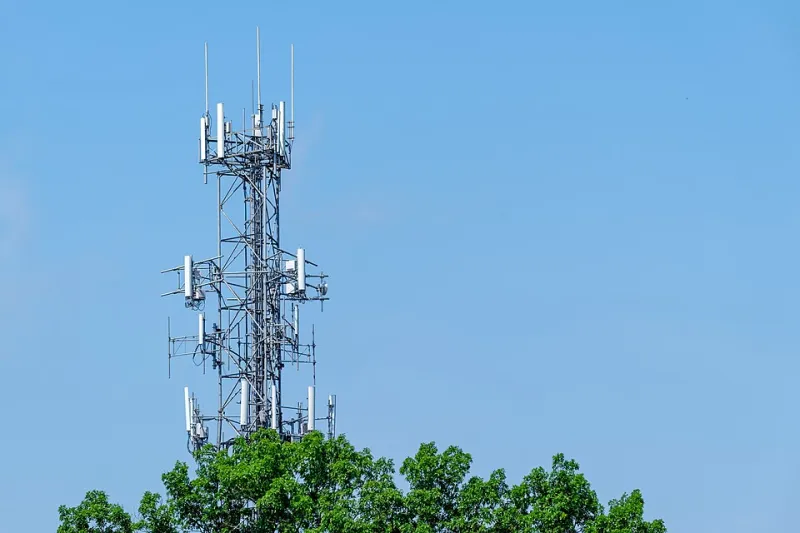
Photo: David Ratledge, CC BY 4.0, via Wikimedia Commons
Most land income strategies require the land to do something: grow a crop, host a hunting club, support a solar array. A smaller category requires the land to do almost nothing at all. Billboard and cell tower ground leases pay rent for a few thousand square feet, a sliver of frontage, and the right to occupy space above the surface. For the right parcel, the yield per acre is difficult to match anywhere else in rural real estate.
The strategy is also easy to get wrong, because the documents are long, the economics are opaque to first-time landowners, and the terms frequently outlast the owner who signs them.
Why the Airspace Pays
Outdoor advertising and wireless carriers both need specific physical positions that cannot be manufactured. A billboard requires a permitted location with adequate traffic exposure and sufficient setback from other structures. A tower requires elevation, clear line of sight to the coverage area, and a willing host. When a parcel happens to sit in the right place, the tenant's alternatives are limited — which is precisely why the rent can be attractive relative to the footprint occupied.
How the Ground Lease Is Built
The instrument is almost always a long-term ground lease rather than a purchase. For billboards, an initial term of ten to twenty years with renewal options is common; for cell sites, initial terms of five to ten years with multiple five-year renewals that can extend the relationship past thirty years are typical.
Rent structures vary. Billboard leases often pay a fixed annual sum, sometimes with a percentage of advertising revenue layered on top. Tower leases commonly begin at a modest base rent and escalate annually, either by a fixed percentage or by a consumer price index formula. Carriers frequently seek the right to add co-locators — additional antennas on the same structure — and the lease should address whether the landowner shares in that added revenue.
Billboard Versus Tower Economics
Billboard rent is driven primarily by traffic count, visibility, and market advertising rates. Annual figures in the low thousands are common in secondary markets; prime positions on busy corridors can command considerably more. Cell tower ground rent is driven by coverage need and the scarcity of alternatives, and monthly figures in the hundreds to low thousands appear across many rural markets, with meaningful variation by region and carrier.
Neither category is a get-rich proposition. Both are best understood as a modest, durable income stream attached to land you continue to own and use.
The Rights the Tenant Will Ask For
Expect the tenant to request more than the footprint. A typical cell lease includes a fenced compound of a few thousand square feet, a twenty-four-hour access easement across your property to reach it, the right to install utilities to the site, and the right to maintain and replace equipment. Billboard leases require access for construction and periodic face changes, plus compliance with illumination restrictions where the sign is lit.
Read the access language carefully. A general easement described only in width can migrate over time. Insist on a defined route, a stated width, and language limiting use to the tenant's purposes.
A Diligence Checklist for the Offer
Before signing, confirm each of the following:
- Zoning and permitting. Billboard locations are heavily regulated at the state and local level, and many jurisdictions restrict new signs or prohibit them outright. Tower siting faces its own review process. Ask who bears the permitting risk and what happens to the lease if approval is denied.
- Surveyed legal description. The leased area should be surveyed and attached as an exhibit, not described by reference to a hand-drawn sketch.
- Escalation history and comparables. Ask what similar sites in the county pay, and confirm the escalation formula is tied to something measurable.
- Assignment and sublease rights. Carriers consolidate and sell portfolios. Determine whether assignment requires your consent and whether consent can be reasonably withheld.
- Insurance and indemnity. The tenant should carry liability coverage naming you as additional insured, and indemnify you for its operations.
- Tax consequences. The income is taxable, and a leased portion of the parcel can complicate a future 1031 exchange or conservation easement. Consult counsel before signing.
Red Flags in Term and Removal Language
The most consequential clause in these leases is often the one about exit. Watch for renewal options that are unilateral and perpetual in effect, escalation formulas with no floor, and removal obligations that fall entirely on the landowner if the tenant abandons the site. A dismantled monopole leaves a concrete foundation, conduit, and a fenced pad; the lease should require restoration to a stated condition, backed by a bond or letter of credit where the tenant's creditworthiness warrants it.
Be equally wary of language granting the tenant the right to terminate on short notice while binding you for decades. Mutuality matters more than the headline rent.
What It Does to Resale and Financing
A recorded lease runs with the land, which cuts both ways. On the positive side, documented rental income can support value in an appraisal and appeal to buyers seeking yield. On the negative side, some lenders view an encumbered parcel less favorably, and a long-term lease over a portion of the property can complicate subdivision, boundary adjustments, or a future sale of the balance of the acreage.
Disclose the lease early in any listing process. Land buyers tolerate encumbrances they understand and discount those they discover late.
For the right parcel, leasing airspace is a rare opportunity: income from ground that remains yours, with no improvements to manage and no tenants to house. The work is in the document, and the document deserves a lawyer's attention before the first rent check clears.