The Sun Also Binds: What Rural Landowners Should Read Before Signing a Solar Lease
The Offers Arriving in Rural Mailboxes
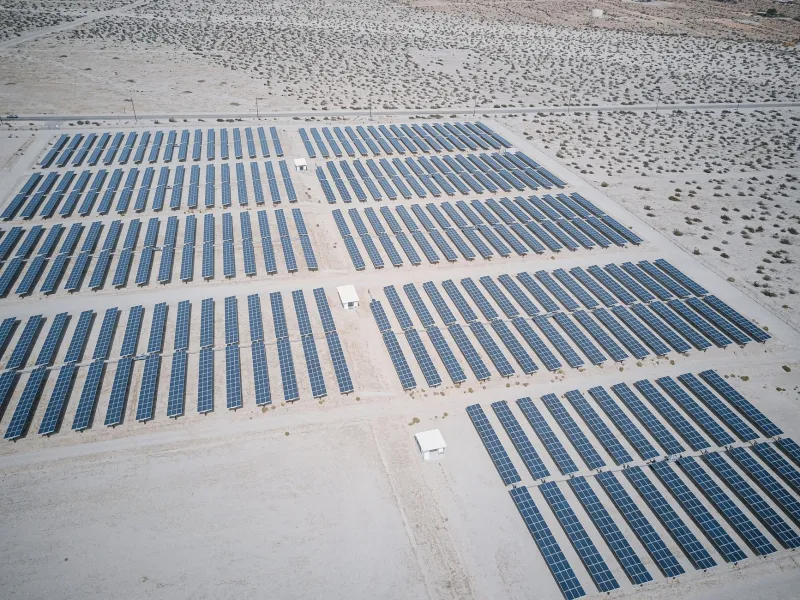
For much of the past decade, utility-scale solar development in the United States was concentrated in a handful of states with abundant sun and accommodating transmission. That geography has widened considerably. Projects of 100 megawatts and larger are now proposed across the Southeast, the Midwest, and parts of the Great Plains, and the land they require — flat, cleared, close to a substation, and free of wetlands — is often working farmland or pasture.
For the owner of such a parcel, the approach usually arrives as a letter, then a phone call, then an option agreement. The numbers can look transformative: annual payments that exceed what row crops return in a dry year, with no obligation to sell. But a solar lease is not a rental in any ordinary sense. It is a 30- to 40-year encumbrance on the title of the property, and the terms surrounding the headline rent figure determine whether the arrangement is a windfall or a lasting constraint.
The Option Years: Paying for the Right to Decide
Most solar agreements begin as options rather than leases. The developer pays a modest annual sum — often $20 to $50 per acre, sometimes more — for the exclusive right to lease the ground if the project proceeds. The option period may run three to seven years and is frequently extended.
Two questions matter here. First, is the option payment credited against future rent, or is it simply the price of patience? Second, and more consequential, what does the option restrict during those years? Some agreements bar the owner from granting other easements, from subdividing, or from certain farming practices. Others are silent. An option that quietly limits what you can do with your own land for five years carries a cost that never appears on the payment schedule.
Decoding the Rent Structure
Solar rent is generally quoted per acre per year, with figures commonly landing between $500 and $1,200 depending on region, project size, and the owner's leverage. Beneath that number sit several variables worth examining closely:
- Escalators. Fixed annual increases of one to two percent are common, and some agreements tie increases to an index. Across 35 years, the difference between a flat rate and a two percent escalator is substantial.
- Minimum versus actual acreage. Projects rarely use every acre under option. Confirm whether rent is paid on the full leased area or only the fenced footprint, and what the remainder earns.
- Construction-period compensation. Crop losses, damaged fences, and crushed drainage tile should be priced in advance rather than negotiated after build-out.
- Payment security. A developer's promise is only as durable as its balance sheet. Parent-company guarantees or letters of credit are reasonable requests on larger deals.
Renewals and the Long Horizon
A 30-year term with two five-year renewal options is effectively a 40-year commitment. Owners should establish whether renewal sits at the tenant's sole discretion or is subject to renegotiation, and whether rent resets when the term extends. A clause permitting the developer to renew at the original rate, decades later, transfers nearly all long-term value to the tenant.
Decommissioning: The Clause Everyone Skips
At the end of the term, someone must remove the panels, racking, inverters, fencing, and buried conduit, and restore the soil. That work is expensive — industry estimates for utility-scale projects commonly run into the tens of thousands of dollars per megawatt — and the obligation belongs in the lease, in writing, with a funding mechanism behind it.
Look for a decommissioning plan attached as an exhibit, a defined restoration standard, and financial assurance in the form of a bond, escrow account, or letter of credit. An unfunded promise from a single-purpose entity that may be dissolved long before the term ends is not assurance. A number of states have enacted decommissioning requirements; many have not, which leaves the contract as the only real protection.
Title, Lenders, and the Encumbrance Question
A recorded solar lease appears in the chain of title, and that carries consequences beyond the project itself. Agricultural lenders may treat a long-term lease as a material change to collateral. Selling the property becomes harder, because any buyer must accept the lease terms. Heirs and estate planners need to account for a revenue stream that cannot be divided neatly among beneficiaries.
Owners with existing mortgages should review loan documents for clauses requiring lender consent to long-term leases. Owners contemplating subdivision should confirm whether the agreement covers the entire parcel or can be confined to a defined portion.
Where Leverage Really Lives
Negotiating strength in solar leasing comes from a few identifiable sources: the number of buildable acres you control, proximity to the interconnection point, whether the site can be assembled without your parcel, and a credible willingness to walk away. Landowners who assemble neighboring acreage or negotiate jointly with adjacent owners routinely obtain better terms than those who sign individually.
It is also reasonable to request a confidentiality provision, a most-favored-nation clause tying your rent to what neighbors receive, and a right to approve assignment of the lease to a different operator.
A Decision Measured in Decades
A solar lease can be a sound arrangement for land with limited agricultural upside and an owner who understands the commitment. It can also be a generation-long restriction signed in an afternoon. The difference lies almost entirely in the documents — the option terms, the escalators, the renewal language, and the decommissioning security — and in the counsel of an attorney who has read this particular contract before.
The sun is free. The right to use your ground for the next forty years is not, and it should be priced accordingly.