Poles, Wells, and Bandwidth: What the Final Stretch of Utility Service Really Costs
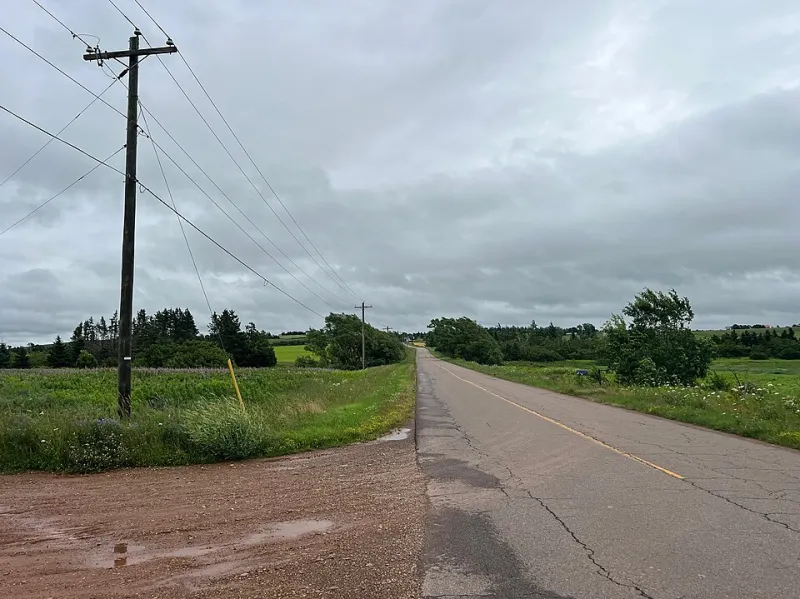
Photo: Z3lvs, CC0, via Wikimedia Commons
Every rural parcel carries two prices. The first is printed on the listing sheet and negotiated at the closing table. The second is never advertised, rarely financed, and almost always underestimated: the cost of making the ground actually function. For undeveloped land, that second number is frequently the difference between a sound acquisition and a decade-long money pit.
The industry shorthand for this problem is the last mile — the final stretch of infrastructure between a public system and your building site. On subdivided lots in town, the last mile was paid for decades ago by a developer and buried in the lot premium. On raw acreage, it is yours.
Why the Per-Acre Figure Misleads
A 40-acre parcel at $2,500 per acre looks like a bargain next to a 40-acre parcel at $4,200 per acre. But if the cheaper tract sits two miles from the nearest three-phase line, has no producing wells in the neighborhood, and fails a percolation test in its only level clearing, the effective price of usable ground can invert entirely. Buyers who comparison-shop on acre price alone are comparing headlines, not deals.
The disciplined approach is to convert every infrastructure unknown into a planning number before the inspection period expires, then add those numbers to the purchase price and divide by the acreage you can realistically use.
Power: The Pole Is Only the Opening Bid
Distribution line extensions are priced by the utility, not the contractor, and the variance is enormous. A straightforward run across flat, cleared ground with existing easements may be quoted in the low tens of thousands per mile. A route requiring new right-of-way, rock excavation, or a crossing of someone else's land can multiply that figure several times over. Rough terrain and long spans drive the cost per pole upward quickly.
Beyond the line itself, budget for the transformer, the service drop, the meter, and — on larger or commercial parcels — a capacity study. Utilities increasingly ask whether the local feeder has headroom for the load you intend to add. A data-driven operation, an irrigation pivot, or a shop with heavy equipment draws more than a residence, and the utility may require an upgrade that lands on your side of the ledger.
Ask for a written line-extension estimate and a will-serve commitment. Verbal enthusiasm from a customer service representative is not a document a lender will accept.
Water: Depth Is the Dial
Well cost tracks depth, geology, and yield. In fractured rock, drilling can run well past the depth anticipated at the outset. Add casing, the pump and pressure system, a storage tank, water quality testing, and the electrical run to the wellhead. If the first attempt comes up dry or marginal, a second hole is a real possibility that should be budgeted rather than mourned.
On parcels where a shared or community well is the practical option, obtain the written agreement governing use, maintenance obligations, and cost sharing before closing. Handshake water arrangements have a way of becoming litigation after a dry summer.
Septic: The Soil Has a Vote
A percolation test and site evaluation are inexpensive relative to what they prevent. Standard gravity systems are the least costly outcome. When soils are shallow, clay-heavy, or close to a water table, engineered systems, mound systems, or advanced treatment units can push costs into five figures without warning. On parcels where the only suitable soils sit far from the intended building envelope, the added line and pump costs belong in the budget as well.
Bandwidth: The Most Variable Line Item
The connectivity picture has improved materially, but it remains uneven. Fiber is excellent where it exists and expensive to extend where it does not. Fixed wireless depends on line of sight to a tower. Low-earth-orbit satellite has changed the calculus for many remote parcels by removing the need for terrestrial buildout altogether, though equipment and subscription costs should be modeled over a multi-year horizon.
Before making an offer, confirm what is actually available at the address — not at the ZIP code. Ask providers for a service qualification in writing, and ask whether construction cost sharing is available for an extension.
Easements and Right-of-Way
Utility service generally requires recorded easements. When the route crosses a neighbor's land, that neighbor's signature is required, and their willingness to grant access is a variable you cannot control after closing. Confirm the easement is recorded, that its width and location are adequate, and that the maintenance obligations are stated. Pole attachment and joint-use arrangements can shift costs between parties, so read the utility's tariff language rather than assuming a convention.
Getting Firm Numbers Before You Commit
A practical sequence: request utility estimates in the first week of due diligence, schedule the perc test and well assessment in the second, and confirm broadband availability in parallel. Structure the purchase agreement with an inspection contingency long enough to receive written quotes — often 45 to 60 days for parcels requiring line extensions. Where estimates arrive late, negotiate an escrow holdback sized to the highest reasonable quote rather than accepting a seller's assurance.
Finally, carry a contingency. Fifteen to twenty-five percent of the combined infrastructure budget is not pessimism; on raw land, it is simply the historical average of what the surprises cost.
The last mile is not an afterthought to the land purchase. On many parcels it is the purchase, wearing a different hat.