Turn Your Pastures into Profit: A Practical Roadmap for Launching an Agritourism Business on Your Land
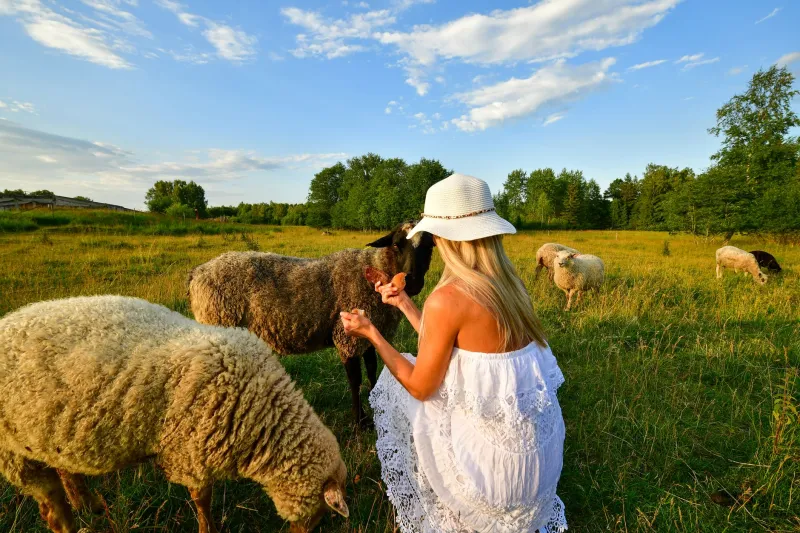
You purchased your land for any number of reasons—privacy, legacy, the satisfaction of owning something real. But if your acreage is currently generating nothing more than a property tax bill and a weekend hobby, you may be sitting on a revenue opportunity that thousands of rural landowners across the country have already begun to tap.
Agritourism is the practice of inviting the public onto agricultural or rural property for experiences that range from the simple to the elaborate. It encompasses everything from a roadside berry patch to a fully programmed weekend retreat with farm-to-table dinners, overnight lodging, and guided nature walks. The industry has grown consistently for over a decade, fueled by urban consumers hungry for authentic outdoor experiences and a food culture that prizes connection to the land.
Here is a practical, step-by-step framework for rural landowners who want to evaluate and pursue agritourism as a genuine income stream.
Step 1: Assess What Your Land Actually Offers
Before you book your first guest or plant your first u-pick row, conduct an honest inventory of your property's assets and limitations.
Natural features are your primary raw material. Timber, water features, open meadows, fruit-bearing trees, livestock, vegetable production capacity, scenic vistas, and proximity to hiking or riding trails all translate into visitor experiences. A property with a pond, a woodlot, and a working garden has more raw agritourism potential than one with only flat cropland, though creative operators have built successful ventures on far less.
Access and infrastructure will determine your development costs. Paved or well-maintained road access, adequate parking, potable water, and functioning restroom facilities are baseline requirements for any public-facing operation. Properties that lack these amenities are not disqualified, but the capital investment to address them must be factored into your feasibility analysis.
Your own capacity matters as much as the land itself. Agritourism requires hospitality skills, operational discipline, and a willingness to interact with the public consistently. Some landowners are natural hosts; others find the customer-facing dimension taxing. Be honest with yourself about which category you occupy before committing to a model that depends on direct visitor engagement.
Step 2: Choose a Business Model That Fits Your Scale
Agritourism is not a single business—it is a category that contains dozens of distinct models at varying levels of complexity and capital requirement.
Entry-level models require minimal infrastructure and regulatory overhead. U-pick operations—strawberries, blueberries, apples, pumpkins—are among the most accessible entry points for landowners with existing or plantable acreage. Farm stands, seasonal corn mazes, and hay rides fall into the same tier. These operations can often be launched for under $10,000 and generate meaningful supplemental income with modest time investment.
Mid-tier models involve more programming and some facility development. Farm-to-table dinners, cooking classes, beekeeping workshops, and photography retreats attract higher-spending visitors and command premium pricing, but they require kitchen facilities, liability management, and consistent marketing effort. Landowners who have successfully operated at the entry level often graduate to this tier after two or three seasons.
Full-scale destination models represent the highest investment and highest return potential. Glamping operations—furnished tents, safari-style cabins, or converted barns with boutique amenities—have exploded in popularity across the rural South, the Pacific Northwest, and the Midwest. Wellness retreats, equestrian programs, and multi-day farm immersion experiences also fall into this category. Startup costs can range from $50,000 to several hundred thousand dollars depending on the scope, but successful operators in this tier regularly generate six-figure annual revenues.
Step 3: Navigate Zoning and Regulatory Requirements
This is the step most aspiring agritourism operators underestimate, and it is the one most likely to derail an otherwise sound plan.
Zoning regulations governing agritourism vary enormously by state and county. Many agricultural zones permit agritourism as a right-by-use, meaning no special approval is required beyond standard business licensing. Others require a conditional use permit, a site plan review, or a formal rezoning application. A small number of jurisdictions have not yet established clear agritourism provisions, which can create ambiguity that requires legal guidance to navigate.
Most states have enacted some form of agritourism protection statute that limits landowner liability for visitor injuries incurred during agricultural activities, provided appropriate notices are posted and maintained. Familiarity with your state's specific provisions is essential before you open to the public.
Food service, lodging, and event hosting each carry their own regulatory layers—health department permits, fire marshal inspections, and in some cases state tourism licensing. The regulatory burden is manageable but requires systematic attention. Consulting with a local attorney familiar with agricultural land use before you invest significantly in development is time and money well spent.
Step 4: Build Your Financial Model
Agritourism businesses, like all businesses, require a clear financial framework before capital is committed.
Start with a conservative revenue projection based on realistic visitor numbers and pricing benchmarks from comparable operations in your region. The USDA's National Agricultural Statistics Service publishes agritourism revenue data by state that can serve as a useful calibration tool. Online booking platforms such as Hipcamp, Harvest Hosts, and Glamping Hub provide public pricing data that reveals what the market will bear for specific experience types.
On the cost side, account for capital improvements, insurance (agritourism-specific liability coverage is essential and available through several agricultural insurers), marketing, staffing if applicable, and ongoing maintenance. Many operations are initially run by the landowner and immediate family, which compresses labor costs but also compresses available capacity.
A well-structured agritourism operation can realistically generate between $20,000 and $150,000 in annual gross revenue depending on scale, location, and programming depth. The margin profile is favorable relative to commodity agriculture, and the income is not correlated with crop prices or weather in the same way traditional farm revenue is.
Step 5: Market Where Your Guests Are Looking
The agritourism consumer is digitally fluent and experience-motivated. They discover properties through Instagram, Google searches, Airbnb, and specialized booking platforms. A compelling online presence is not optional—it is the primary channel through which new visitors will find you.
High-quality photography is perhaps the single highest-return marketing investment an agritourism operator can make. Hire a professional photographer for your launch season. Build a simple, mobile-optimized website with clear booking functionality. Establish a presence on the platforms your target demographic uses, and solicit reviews from every satisfied guest.
Local and regional food media, travel bloggers, and farm-to-table restaurant partnerships can generate earned media coverage that extends your reach without ongoing advertising spend.
The Long View
Agritourism does not replace the intrinsic value of your land—it enhances it. A well-operated visitor experience business can increase a property's market value, generate income that offsets carrying costs, and deepen your own connection to the acreage you have chosen to steward.
For rural landowners who are not ready to develop or sell but are unwilling to let their ground sit idle, it represents one of the most rewarding paths forward available.
Browse rural and agricultural land listings with development potential at Lands99.com.