Preserving Land, Building Wealth: The Conservation Easement Strategy Savvy Landowners Are Using to Cut Tax Bills
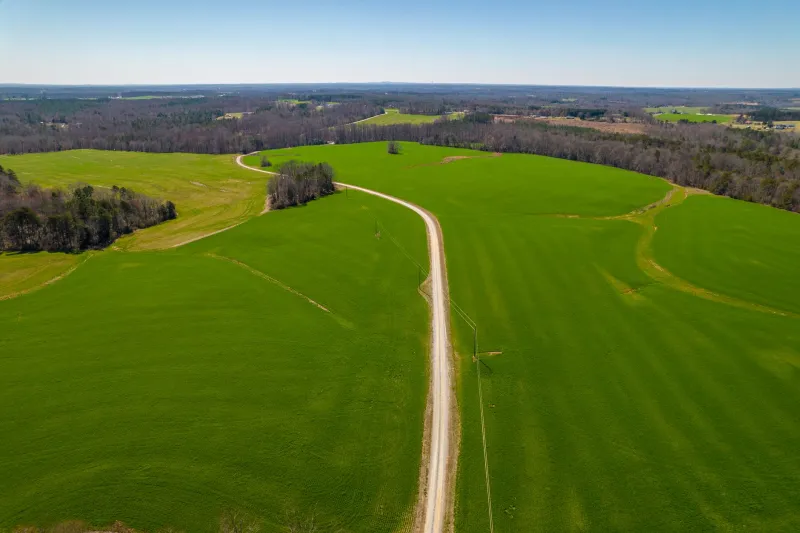
For generations, American landowners have measured their wealth in acres. But in recent years, a growing number of rural property holders — from cattle ranchers in Montana to timber families in the Appalachian foothills — have discovered that the land itself can become a vehicle for substantial tax relief, without ever selling a single parcel. The mechanism behind this shift is the conservation easement, a legal instrument that has quietly reshaped how thoughtful landowners approach estate planning and long-term wealth preservation.
At Lands99, we believe that owning ground is only the beginning. What you do with that ownership — how you structure it, protect it, and pass it forward — determines whether your property becomes a true legacy asset or simply a line item on an estate balance sheet.
What Is a Conservation Easement, and How Does It Work?
A conservation easement is a voluntary legal agreement between a landowner and a qualified organization — typically a land trust or a government entity — in which the landowner permanently restricts certain uses of the property. Common restrictions include prohibitions on subdivision, commercial development, or industrial activity. In exchange for surrendering those development rights, the landowner may claim a federal income tax deduction equal to the difference between the property's unrestricted fair market value and its value under the terms of the easement.
That gap — known as the "donated value" — can be substantial. On a 500-acre ranch in a high-growth corridor, for instance, the difference between unrestricted and restricted value might reach several million dollars, generating deductions that can be carried forward for up to 15 years under current IRS rules. For landowners with significant annual income, the financial impact can be profound.
Critically, the landowner retains title to the property. They can still farm it, hunt it, lease it for grazing, or live on it. The easement does not transfer ownership — it transfers specific development rights to the holding organization, which then enforces those restrictions in perpetuity.
The Numbers Behind the Strategy
Consider a working example. A family in rural Tennessee owns 800 acres of forested land appraised at $4,000 per acre without restrictions — a total value of $3.2 million. A qualified appraisal determines that, with a conservation easement in place, the restricted value drops to $1,800 per acre, or $1.44 million. The donated value is therefore $1.76 million, and that figure becomes the basis for the charitable deduction.
For a landowner with an adjusted gross income of $400,000 annually, federal law allows them to deduct up to 50 percent of AGI per year for qualified conservation contributions — or up to 100 percent for qualified farmers and ranchers who derive the majority of their income from agriculture. That means the Tennessee family could potentially eliminate their federal income tax liability for multiple years while retaining full use of their land.
The estate planning benefits compound this advantage. Because the easement permanently reduces the property's appraised value, heirs inherit a smaller taxable estate — a critical consideration for families holding large tracts in appreciating rural markets.
IRS Qualification Requirements: What the Agency Is Looking For
The IRS has established clear, if demanding, criteria for conservation easements to qualify as legitimate charitable deductions under Section 170(h) of the Internal Revenue Code. Landowners and their advisors must satisfy four primary conditions.
First, the easement must be donated to a qualified organization — either a government body or a land trust that meets IRS standards. Second, the donation must be permanent and irrevocable. Third, the property must possess a recognized conservation purpose, which may include the preservation of natural habitat, scenic landscapes, historic sites, or open space consistent with a clearly delineated governmental conservation policy. Fourth, the donation must be supported by a qualified appraisal conducted by a certified appraiser no earlier than 60 days before the contribution and no later than the tax return due date.
The IRS has intensified its scrutiny of syndicated conservation easements — arrangements in which investors pool capital to purchase land and then donate easements for outsized deductions — and has listed these structures on its annual "Dirty Dozen" list of abusive tax schemes. Landowners pursuing easements on property they genuinely own and steward face far less regulatory risk, but documentation, appraisal quality, and organizational compliance remain non-negotiable.
Common Pitfalls That Derail Easement Transactions
Even well-intentioned easement deals can unravel, and the consequences — disallowed deductions, penalties, and in some cases back taxes with interest — can be severe. Several recurring issues account for the majority of failed or challenged easements.
Inflated appraisals remain the most common IRS flashpoint. When the appraised donated value appears disproportionate to comparable land transactions in the region, federal auditors take notice. Selecting a credentialed, independent appraiser with direct experience in conservation transactions is essential.
Baseline documentation deficiencies also create vulnerability. Before an easement is finalized, the land trust must prepare a detailed baseline documentation report — a comprehensive record of the property's current condition, conservation values, and ecological features. Inadequate baseline reports can jeopardize the easement's enforceability and its tax treatment.
Choosing the wrong land trust introduces organizational risk. If the holding entity loses its qualified status or fails to actively monitor and enforce the easement, the entire arrangement may be challenged. Landowners should conduct thorough due diligence on any land trust they engage, including reviewing its accreditation status with the Land Trust Alliance.
Finally, failing to involve qualified legal and tax counsel early in the process is a mistake that costs landowners dearly. Conservation easement transactions sit at the intersection of real property law, tax law, environmental regulation, and estate planning. Attempting to navigate that terrain without specialized guidance is an unnecessary risk.
Is a Conservation Easement Right for Your Property?
Not every parcel qualifies, and not every landowner's financial profile makes an easement advantageous. Properties in densely developed suburban areas may lack the conservation values the IRS requires. Landowners with modest annual income may not generate sufficient tax liability to absorb a large deduction within the allowable carry-forward period.
The strongest candidates tend to be owners of large rural tracts — farms, ranches, timberland, or recreational properties — situated in areas with documented conservation significance. These might include properties adjacent to protected lands, those containing wetlands or endangered species habitat, or parcels that contribute to an agricultural landscape under threat from development pressure.
For those who qualify, the conservation easement is not merely a tax strategy. It is a declaration of stewardship — a legally binding commitment to the land's future that can outlast any single generation of ownership.
Finding Your Ground in the Easement Landscape
The growing interest in conservation easements reflects a broader shift in how American landowners think about property. Ground is no longer just an asset to be bought, held, and sold. For many families, it is a cornerstone of identity, a source of livelihood, and an inheritance meant to endure.
Conservation easements allow that commitment to carry genuine financial weight. When structured correctly and executed with professional guidance, they transform the act of preservation into a measurable economic advantage — one that benefits the landowner today, the heirs who follow, and the landscape that makes the land worth protecting in the first place.
If you are exploring your options as a landowner, Lands99 is your resource for understanding how the ground beneath your feet can be the foundation of something far more enduring than a transaction.